“While totalitarian regimes…were building huge military machines, America scrapped its navy, reduced its army, tried to lull itself into a belief that trouble could best be avoided by ignoring it, and refused to participate in attempts to create a collective security and an international rule of law. The Twenties and Thirties were decades of a tragic national self-delusion, of shortsighted diplomacy, of a refusal to understand the terrible new forces arising in the world, of a belief that America could simply isolate herself from them. And the Senate was the stronghold of isolationism.”
Master of the Senate: The Years of Lyndon Johnson III” by Robert A. Caro
I have a running list of the great compliments I have gotten in life – the ones that really made me feel good. It is a very short list. They are never the times people paid me a direct compliment – they always spoke, or speak, more to what I valued, or value, than what the other person values, if that makes sense. When someone says something that they like, it is always somewhat self-centered; it is their own judgment that they are commenting on; “I love your hair” is more about the speaker and less about the recipient. When a real compliment happens, it is always unintended, but speaks to an objective truth that the recipient values, and that is what makes in special. Some of them were in high school, like in my senior year, when Mrs. Buchwald called me a “social butterfly” – I had never heard that phrase before, but it immediately struck me that yes, this is exactly what I wanted to be – alighting here or there, welcome wherever I landed – not only welcome, but encouraged. That was a great compliment. Thanks, Mrs. B.
The same year, I dated a girl who, for what I am sure was a very good reason, went crying to our mutual friend Joe about something I did. Later, he recounted the conversation: she’d said, “I just want to understand what he is thinking,” to which Joe replied, “The longer I know Andrew, the more I realize that I have no idea what he is thinking.” Again: success in life.
And the same year, my friend Daniel, a surfer/stoner who I looked up to immensely for how purely he embodied the relaxed Southern Californian lifestyle in a way I never could, looked at me with his brilliantly clear eyes one day and said, “If I could get in your head for an hour, I would never do drugs again, because I don’t think anything could ever compare.” It was at that moment that I became truly committed to never doing drugs. Up until then, I had always been afraid that they might have made me go crazy, like in the D.A.R.E. movies we were shown in elementary school; after he said that, I became petrified that they might dull my natural state, and that I might take a puff of a joint or eat a mushroom and never reach my own natural highs ever again. If the giddiness I felt every day was more than Daniel could ever hope to accomplish, success in life.
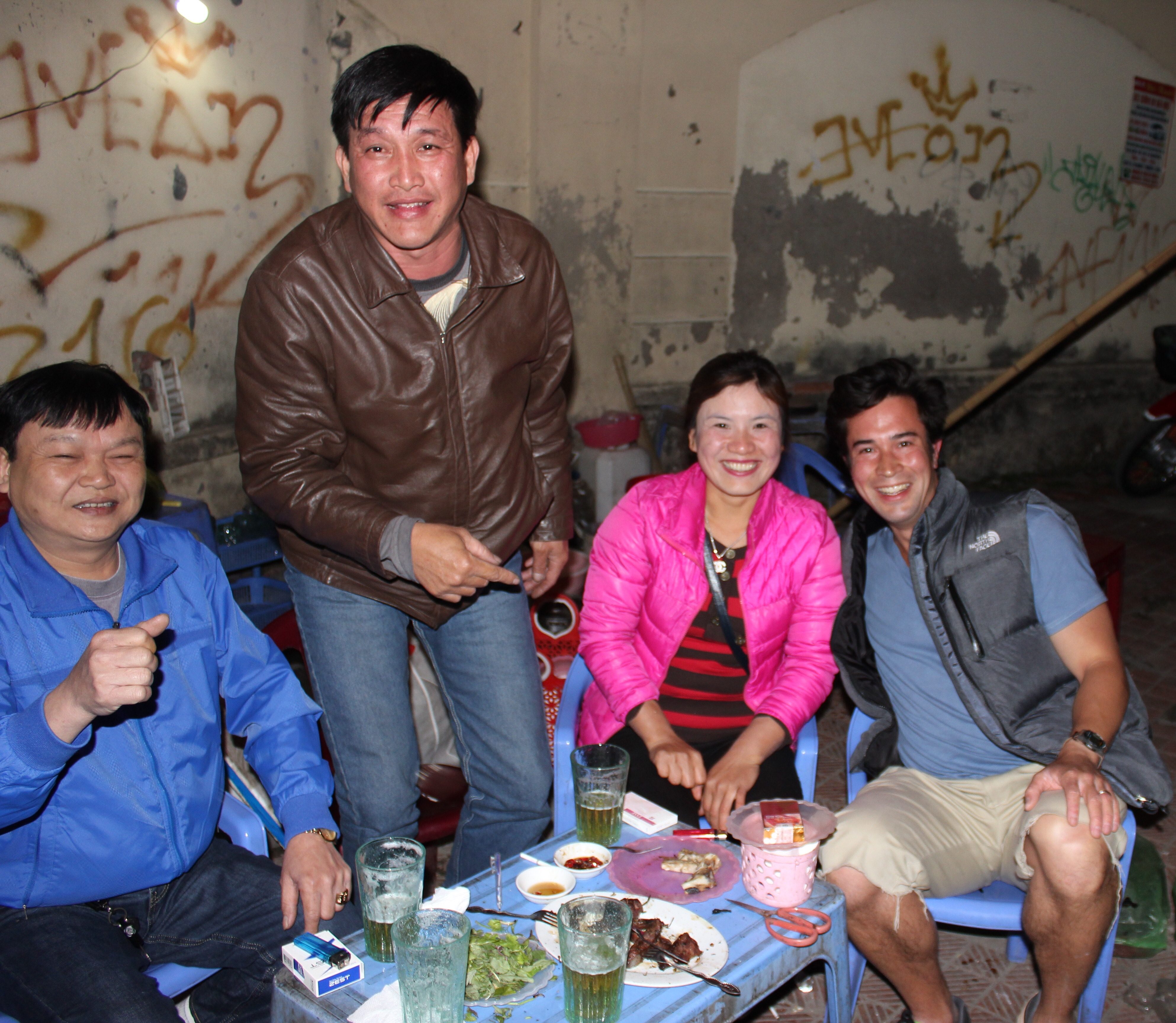
I don’t know what valuing these things said about me then, or now, but the way I weigh compliments has not changed: I appreciate the implicit compliments much more than the explicit ones. When Sonny was getting married, we descended on Chicago, a huge wedding party in the Palmer House Hilton. The night before, his brother, who was also best man, flew up from officer school at Quantico; he apparently started drinking when he got to the airport, continued on the plane, then had drinks at the airport when he arrived. He snuck a beer out of the airport bar and drank it in the cab, then went out drinking with the rest of the wedding party. The next morning, he was nowhere to be found. Sonny’s mother, knowing her sons, had sequestered Sonny to keep him at least somewhat sober and in-control, but she hadn’t done anything for Shane.
That morning, the morning of his wedding, not able to reach his brother on the phone, Sonny went out into Chicago to find him. Everyone thought he was insane; there was no Find My Friends on his Motorola flip phone, no social media profile to follow, just a man looking for his lost brother in a city of 2.5 million people.
But somehow, 30 minutes after starting his search, he passed an alley. A homeless man was walking out, zipping up his pants. The homeless man saw Sonny.
“You looking for your brother?”
“Yeah.”
“He’s in the alley.”
For anyone who knows Sonny, who knows of the myriad fortunate stars he was born under, the only miracle is that it hadn’t happened earlier in his search. Sonny walked in cautiously, fearing some sort of setup. Sure enough, his brother was passed out in the alley, alone, missing only his watch; his wallet and phone were still in his pocket.
The theory later was that he had met a woman, went back with her to her place, went outside for a smoke, then passed out on the ground; someone must have taken his watch from his wrist, or, more likely, he left it on her bedside table, a souvenir, an testiment to the fact that he hadn’t actually intended to ghost her. He had been lying on his wallet and phone in the alley, and everyone figured that he might have been too heavy to have been rolled over if he HAD been robbed. Either way, he was too drunk to speak. Sonny got him back to the hotel, where they placed him in a closely monitored cold bath and poured water and tea and coffee and Gatorade down his throat. When I got to the hotel suite, ready for the limo ride over, Shane could barely lift his head. He smiled at me, then looked down again, saliva dripping out of his open mouth into the ice bucket between his feet.
And an addition: James wrote, “One thing of note. If my memory serves, Shane’s Lucchese boots were also stolen while he was passed out in that alley. I remember because they were beautiful boots that I had complimented him on the day before.”
The eternal fallibilty of my memory.
In the limo, the groomsmen all sat, mostly hungover, joking. Sonny leaned over to me.
“You’re the only one here who can fucking pull this off.”
“What?”
“I need you to do the best man’s speech.”
Throughout the ceremony, while Shane kept nodding off in front of everyone and flubbing his part, I scribbled notes furiously on the program. Occasionally, I would lean over to another groomsman to ask for a word, or an anecdote, and then added it to my outline. When I ran out of space, I grabbed another program and kept going; luckily I always carry a pen.
The bridesmaid I had been paired with knew what I was doing, and had her own opinions about what the state of the groom’s brother said about the potential of the marriage.
After the speech, Shane, who was at that point sober enough to be drinking beer again, hugged me, and the maid of honor said she was glad she didn’t go after me. The bridesmaid I had been paired with told her husband I had written it during the ceremony, and he just walked over and shook my hand; he had spent nine months preparing one for his best friend, and said he would have paid me for ten minutes of writing something for him. Sonny’s dad smiled and said, “Fuck. That was really fucking good.” A few people said it was the best they had ever heard. Those compliments stuck with me, but the real compliment, the one that mattered, was that when he was in a fix, Sonny asked me for help, and trusted me to deliver.
Then this month, two more additions to the list arrived.
First, my friend Lorenzo, who lived for decades illegally in America, is now legal, and is applying for permanent residency. In support of his application, he asked me to write a letter testifying to his character. I love him, and I was so grateful for the opportunity to write something about how highly I think of him, but then thought: why don’t I do that more often? Why don’t I tell people I love them more, and why?
Then, my friend Ryan, from elementary school, sent me a message in Instagram about this blog:
When I get that email I sometimes let it sit in my inbox for a few days as I wrestle with wanting to read it and knowing that once I read it I’ll have to wait another month to read the next one. I love reading about your experiences, memories and perspectives.
I’ve actually been thinking about setting up a blog (are they still called blogs???) of my own to get some things out of my head. In fact, you might be the topic of my first post. I’ve thought about some shared experiences back at WD Hall recently.
Ryan was always two things to me: rich, and Christian. His dad was a broadcaster on the radio, I think, and we always looked up to their family; my first bicycle was bought second-hand from him, a tiny chrome bike with black and white checkered pads, and I always thought that they looked down on us with pity, the poor mixed race couple with their two kids, buying shoes at Payless and barely scrapping by. I…I also unfairly pigeon-holed him in the super right-wing Christian camp for most of our lives, particularly during my liberal Unitarian Universalist days, and I don’t think I said a word to him after maybe fourth grade. But then we got in touch on Facebook, and Instagram, and last week I finished David and Goliath, and Gladwell wrote a chapter about childhood leukaemia. I remembered Ryan posting about his son being cancer-free, and I reached out to him to say I was thinking of him. I wanted to send him “love” but that was kind of strange; do you send love to someone you haven’t spoken to in 35 years, since you counted age in single digits? So I sent him hugs, and got that message back, and now he has my address and I am waiting for his, and what if he becomes another pen-pal? Because having seen some of his social media posts, it turns out that I actually think he sounds really fucking cool, actually. Secretly. Not secretly now.
But what does this say about me, that his message matters so much that I almost cried? I hope he blogs. I hope he writes. I hope all of my friends write.
And because of his encouragement, this may be a long post, not just for Daniel and Nick, but also for Ryan. I hope it’s good.
“‘I want to give a really bad party. I mean it. I want to give a party where there’s a brawl and seductions and people going home with their feelings hurt and women passed out in the cabinet de toilette. You wait and see.’
He went back into his house and Nicole saw that one of his most characteristic moods was upon him, the excitement that swept everyone up into it and was inevitably followed by his own form of melancholy, which he never displayed but at which she guessed. This excitement about things reached an intensity out of proportion to their importance, generating a really extraordinary virtuosity with people. Save among a few of the tough-minded and perennially suspicious, he had the power of arousing a fascinated and uncritical love. The reaction came when he realized the waste and extravagance involved. He sometimes looked back with awe at the carnivals of affection he had given, as a general might gaze upon a massacre he had ordered to satisfy an impersonal blood lust.
But to be included in Dick Diver’s world for a while was a remarkable experience: people believed he made special reservations about them, recognizing the proud uniqueness of their destinies, buried under the compromises of how many years. He won everyone quickly with an exquisite consideration and a politeness that moved so fast and intuitively that it could be examined only in its effect. Then, without caution, lest the first bloom of the relation wither, he opened the gate to his amusing world. So long as they subscribed to it completely, their happiness was his preoccupation, but at the first flicker of doubt as to its all-inclusiveness he evaporated before their eyes, leaving little communicable memory of what he had said or done.”
– “Tender is the Night” by F. Scott Fitzgerald
When I first got out of college, I started drinking Johnnie Walker Red with Sonny. In thinking about it, it was from 2001 to 2010 – just nine years, but it seems like a lot of time to have one drink. It didn’t taste bad, I enjoyed the sensation of the ice hitting my lip, and I liked how my breath smelled afterwards. Then, in my last week of law school, I was at Zagara’s grocery store, and I went to the alcohol cage; in Ohio, there was a law to keep alcohol separate from everything else so that they could control the times that it was sold. Maybe it is still like that; I haven’t been back in so long. But I went in, and something told me to get the green bottle of Glenfiddich. When I got home, I opened it up – it was the middle of the afternoon, but I was celebrating, and I could afford to drink during the day. The sun was streaming in from the side windows of my house; I poured a small glass, and took a sip, and immediately recognized that it was different. It sounds obvious, of course, but how many people actually develop their palattes to differentiate between things? Could you say for certain that you can tell the difference between different wines? I couldn’t. In fact, I was proud of the fact – the first direct descendent of Ben Franklin I ever dated inspired me to read his autobiography, a dollar Thrift Edition copy I got on a sidewalk in Georgetown when I lived in DC, and I took it as supreme wisdom to attempt, as he did, to finish a meal not knowing what I had consumed, or having paid attention to anything but its nourishing qualities. What should I care about the taste of whisky?
But in that glass, I suddenly realized that there could be a difference, and I could taste it. I didn’t necessarily prefer it, but I could appreciate it, if that makes sense.
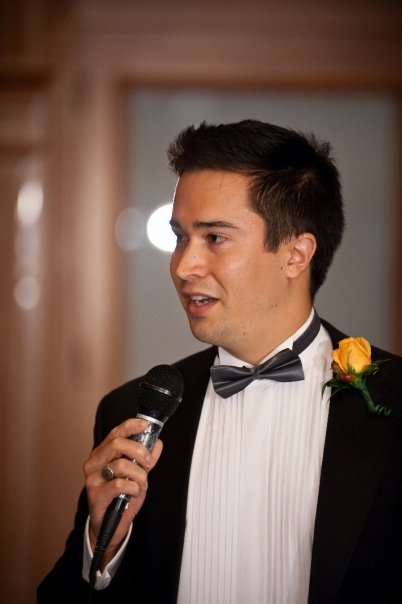
So a month or two later, I went to a bar for a Claremont Colleges reunion event. Back in 2001, Jon Stokes and I had decided to push the alumni organization to cater more to young alumni; we started from the radical proposition that if the college tried to engage young alumni early, they would have an easier time engaging them later on in life, when they were rich. One of the things we did in Los Angeles and San Diego was to start Claremont Colleges young alumni happy hours; we did them once a quarter, I believe, and always met really cool people. I had stopped doing them after I moved out of California, but then learned that they had continued – not only continued, but grown. A couple of Harvey Mudd graduates were going to host one in Cleveland, and I was determined to go.
They were all wonderful, but there was one guy there that I found absolutely fascinating. He was this tall, blonde, pale, skinny man who noticed that I drank scotch; I think maybe I got him a drink too. We started talking, and he seemed to know something about everything, and was able to talk in such a way that his knowledge was accessible and relatable and didn’t contain an atom of pride or ego. I don’t remember talking to anyone else the entire time. At some point, I mentioned my realization that whiskys could be different, and he was fascinated by that. We were fascinated by each other, I think. I don’t know how we decided to do this, but I think at the end of the evening, we had committed to holding a party: everyone would pay $20 each, and it would be at my house. We would purchase a single type of alcohol – the first one was Canadian Whiskey – and get as much as we could, from the cheapest bottle we could find to the most expensive we could afford. We would have a tobacco, as well, and then everyone could sample each bottle to taste the difference; our theory was that people don’t know the difference between drinks because they never take the time to do a taste-test. Alcohol is hard for that – who can buy ten drinks at a bar and then decide what they like, much less ten bottles of something to compare them? Well, we could, as a group, and it could be educational, and we could organize the whole thing.
Eventually, the format would be that we would have a pot-luck dinner; Knut would give a speech, and then everyone would get a tiny sample of each bottle. Once they determined what they liked, they could drink as much of it as they wanted.
The first one was April 24, 2010. Then, they happened more or less every month until I left in December, 2015.
The biggest parties filled my house, with so many people that we had to borrow chairs from the neighbors. The smallest one was a Christmas party, where Knut, Meredith, Aqeel and I sat around a table, eating and drinking vodka. We always ended up with more alcohol than people could drink – they had to drive home, after all – so Knut and I split the bottles at the end. I started splitting my bars up around the house, too – there was the downstairs bar, the main bar, the secret cabinet, the living room shelf, the bottles in the kitchen, and the bedroom bar that had all of my favorites. People brought first dates there, or fiances, when they wanted to impress a significant other; we smoked on the porch, or in my garage, or in my back yard. Summers were gorgeous, warm, languid; the yard would always be mown beforehand, and I worked hard to make everyone feel loved. Winter parties were intimate and hot – we had fires, and focused on darker spirits, and gathered to keep the cold out. We made friends with Paul Penfield, who let us throw a couple at his family’s Frank Lloyd Wright house – an almost absurd idea that I can’t believe even happened now. It was the equivalent, to me, of someone donating a palace to us for the night and telling us, “Yes – drink as much as you can, and use the grounds for your pleasure. We will have the cleaners take care of everything in the morning.” It was where we threw the last party, too – a going-away party for me, where all of the alcohol consumed was from those special bars, and, afterward, everyone who stayed over got a portion of the leftovers, carted home in boxes of clinking glass bottles.
I hadn’t thought of the symbolism until just now.
There have been a few activities that have really mattered in my life, actually – sort of like the compliments, in a way, things that I wouldn’t have said were crucial or important at the time but, now, really seem to me to have been the wheat, not the chaff, of life, and Whiskey and Cigars was one of them. I would like to think it was the community we built that kept things together, but I think it was also the sheer ridiculousness of it, the fact that for $20, anyone could get an education, could learn, and could meet twenty other people who would soon be friends. The lessons still stick with me – like when for one vodka night, which were always done blind, Knut passed the cheapest vodka through a Brita filter, and it was rated as one of the best, or the time everyone preferred the super-cheap St. Remy brandy to the $120 bottle of cognac, but we drank the cognac dry because we would never get the chance to drink it again at that price. I remember Knut’s presentations – exquisite, detailed, hilarious, comprehensive – and how he could command a room of people who wanted desperately to drink, could command their attention solely because he was so incredibly complete and capable, because he knew exactly what he was doing, because he had so much of a right to be confident, but was never cocky. At the vodka night, actually, someone arrived late and saw his drawing of a still. They asked why he had a drawing of an oil refinery; he looked at it, saw the similarities, and incorporated it into his speech so that everyone learned how vodka and gasoline processing was almost identical.
He reminded me of something a friend said recently, which makes sense with Knut: the experts never shout, because they don’t need to. It is only the amateurs who shout. Knut, I think, will never shout about anything. Knowledge, in his case, translates into an incredible form of charisma.
I am grateful to him for some of the best times of my life.



Also in October, I started a business. I am in the process of working it out, and have reached out to a number of people – Tom, Sunny, Kelly, Blazo, Carl. Alice is being extremely supportive. I will write more about it soon, but I wanted to start publicly acknowledging it, to make my commitment real. I don’t want to screw this up. I will need to talk to people about it soon, too; basically, if you have any interest in art at all, I want to talk to you.
Books this month:
- Scaling Up Excellence – full of platitudes, empty of structure. I kept looking for gold, but in the end, I found I was digging in a rubbish heap.
- Turn This Ship Around – one of the best, most actionable leadership-improving books I have ever come across.
- David and Goliath – exceptional. One can truly understand why Gladwell has such a following. I recognise the criticism, but applaud the iconoclasm.
- Why Did You Stay? – surprisingly excellent. One can’t read this and wonder: was that me? Have I acted like that? Shit. I can’t recommend it enough.
- The Greatest – a book of Syed’s sports articles, organized by theme. Like Scaling Up Excellence, I kept looking through it for gold, and came up empty-handed. Avoid.
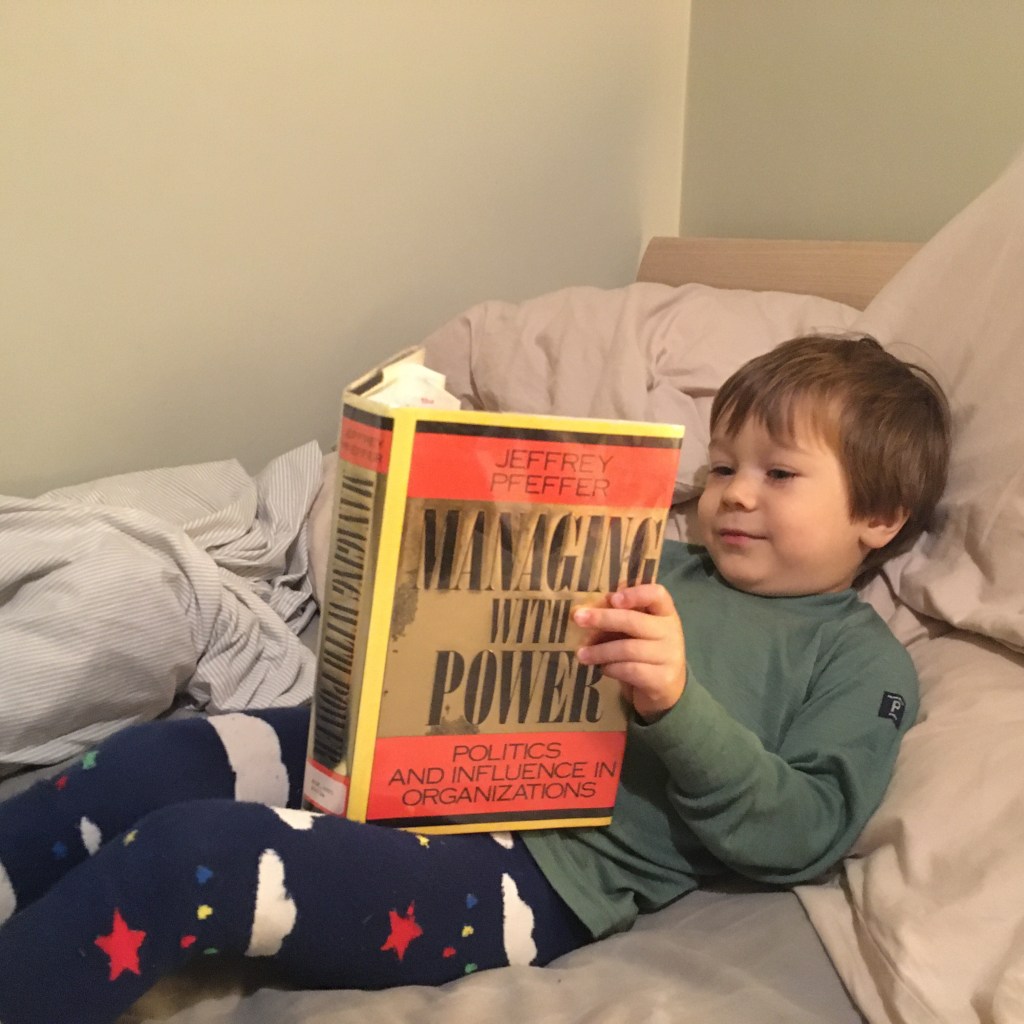
Daniel has started to really lie. It is often about whether he has pooped and needs his diaper changed, but he has become more and more elaborate. The other day, I smelled something, and asked him whether he had pooped; he said no, and kept saying no. Then, I went about ten feet away, and he said, “Wow, something smells like poo.” Trusting him, I said, “Well, at least it isn’t just me who thinks so!” And then he said, “I tricked you, I need my nappy changed.” I explained to him that some things are OK to trick me on, but he has had a lot of sore spots on his butt, and I needed him to tell me the truth when he pooped. Ever since, he has been…I want to say good about it, but I know lying is a skill they need to develop. He has not told me any lies about his poo. That is a win, from my perspective. I want to trust him on important things.
He spent a week or so obsessed with The Ramones – at one point, the babysitter sent a message:

She guessed right.
He still loves Blitzkrieg Bop, and is showing a flair for memorizing lyrics. I can pick up at virtually any point in the song and he will continue; deviations are almost always intentional, with him substituting new rhymes in place of old ones with a felicity that amazes me. He has also started to really like the songs from Matilda, particularly “When I Grow Up”; we watch the video, and about ten seconds in I will start crying, and he will turn and watch me for a while, and then turn back to the screen. At the end, we always applaud, his little hands slapping together in a way that makes me just sob harder.

He has also started wanting to watch me do Brazilian Jiu-Jitsu. This morning, he asked if he could come watch. The first time, he was very insistent on it; Alice brought him to class, and they watched from the side for about ten minutes as we warmed up and then started drills. Then Nick started crying, and they left, but this morning, two weeks later, he asked again. I hope this is the start of an interest for him – I am getting so much out of the classes, and feel so much more love for the sport every day, and I would love for him to pick that up as well, particularly from a self-confidence and self-preservation aspect.
He is still three. Why am I thinking about his survival? Or maybe I need to – he is at nursery, and will start school before we know it. A workmate of mine is facing a “bullying situation” with her son at his school; it is one thing to think that kids should go to adults, but that isn’t always feasible. Sigh.

And Daniel, who is turning into an amazing big brother, has given Nick a new nickname: “The Smile Machine.” He has the same sort of baby charisma that Daniel had – I will take him out in the sling, facing out, and people will literally stop on the sidewalk and stare at him, and I have to walk faster and more fluidly in order to stop them from trying to touch him. He has more head control now, and can sit up – and when he sits up, it is only a short time before he is leaning forward with a foot in his mouth, chewing away on his toes. He giggles, and cries, and seems to enjoy doing really huge, liquidy milk poos that leak out of his diaper and through his clothes. And his breath – that baby breath, just mother’s milk on it. I often, daily, lean in close just to smell him exhale – when he is awake, he smiles or giggles at my face so close, and when he is asleep, sometimes I am able to put my face next to his and feel how warm he is and hope that I shaved close enough in the morning that it isn’t pricking his skin. I shave twice sometimes in order to make sure that his skin won’t get irritated if I cuddle him too hard.
Daniel and The Smile Machine.

October was, all in all, a really good month.
 Andrew Samtoy
“…the first direct descendent of Ben Franklin I ever dated inspired me to read his autobiography, a dollar Thrift Edition copy I got on a sidewalk in Georgetown when I lived in DC…”
Weird flex but okay
LikeLike
I love stories. I always have. Who does not? You are a Master Story Teller. In a previous lifetime, I think you were a Bard. In any case, you have mastered the art of telling just enough of the anecdote without over embellishment, leaving us eager for the next one. Of course, my heart swells when I see the boys laughing. Lucky man! Letter to follow.
LikeLike