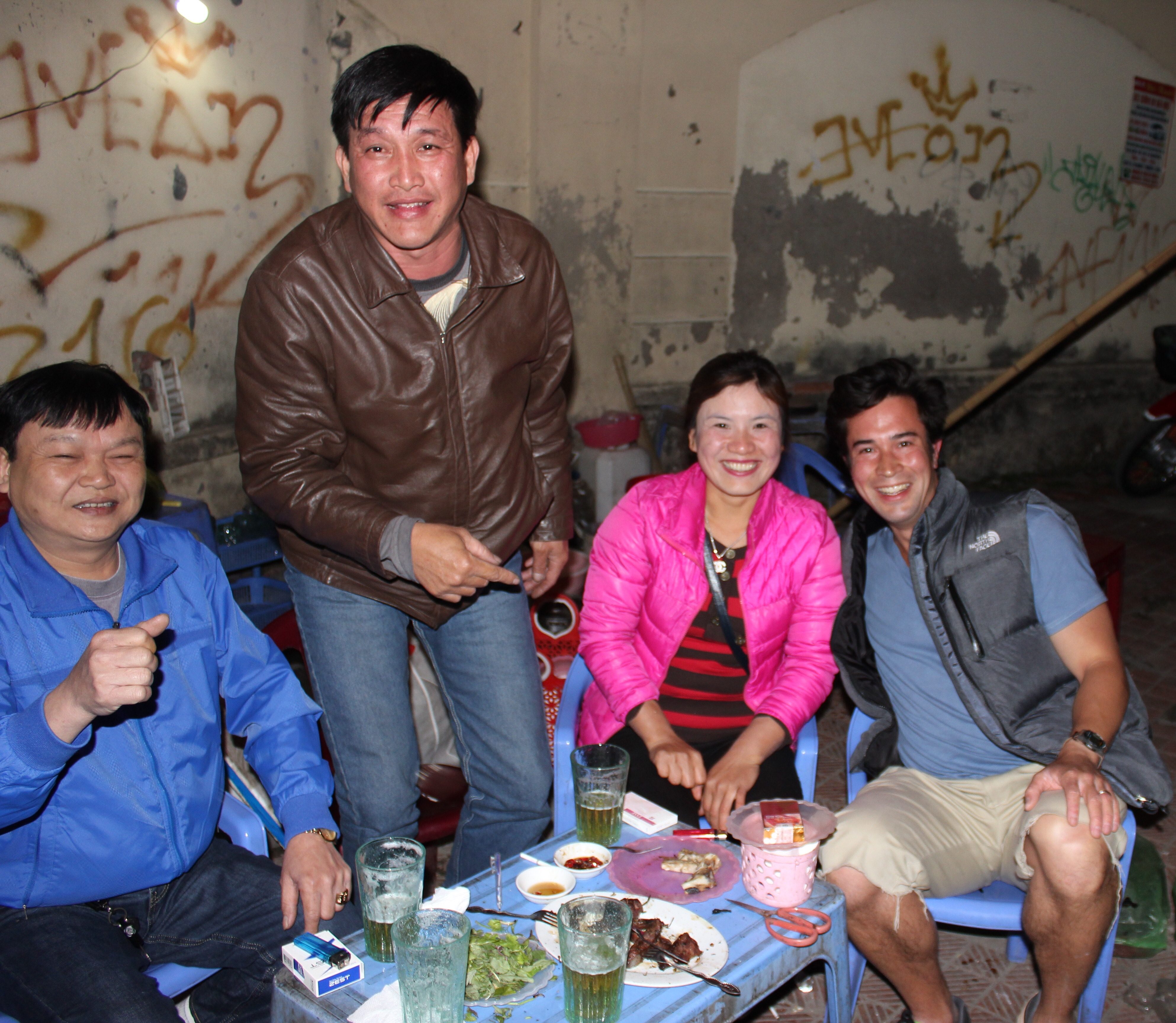

Before fourth grade, I had a best friend, Gabe. We were the same age and in the same class, and his little sister, Dominique, was the same age and in the same class as my little sister, Step. Gabe and Dominique used to always come over together – often, my mom would pick them up in her golden Toyota minivan and bring them back to our house after school or on a weekend morning, then drive them back home before dinner. They had three older siblings, I think, and a mom who was always working, and I didn’t know where their dad was, but it didn’t matter – we were kids, there was no judgment. We would ride bikes, go to 7-Eleven to play Battle Axe or Street Fighter II and get Caramellos with my allowance, paddle in our back yard pool, build forts out of towels and plants, shoot bottle brush seeds at each other through straws and pretend they were blowguns, whittle sticks, and a million other things that kids in the 80s did. I realize now that I maybe set foot in his house once that I can remember, and I only now think to wonder why. When I did, that one time, we were picking them up for a big trip – maybe to the beach, maybe to the desert – and Step and I were probably bouncing in the back seats of the van while they were getting dressed or something, and I must have been given permission to go inside to see where they were. I seem to remember the rooms being sparsely furnished, with virtually nothing in the living room but a sofa and a TV, and their siblings’ bedrooms being curiously devoid of books but heavy with punk posters, and the back yard being mostly dirt, a few patches of grass, probably some well-intentioned tools rusting against the wall. Now, I can look back and suspect that their father had deserted them and their mother was doing everything she could to hold her shit together; hustling, constantly working, trying to survive, and I wonder, now, if our mother saw her hospitality as almost charity daycare – understanding how much Mary was going through, our mother did what she could to help, and that meant that we got to play with our best friends, and these kids who didn’t have anything got access to a pool and toys in a safe environment, got to go to the Del Mar Fair, maybe got to eat, in some cases. I don’t know – it is all conjecture, now, and I think that asking my mom what the story was would only bring up vague, nebulous answers. But the stark difference in our lives must have been painfully obvious to them, but not to me, at least not until 35 years after I was eight years old.
Then, I think in fourth grade, everything changed. I have always blamed it on getting glasses; suddenly I felt uncool, and, either because I had glasses or because I felt awkward about them, it seemed like everyone treated me as if I was an untouchable. In my memory, which is always potentially fallible, Gabe and Dominique stopped hanging out with us immediately; one day, we were best friends, and then, after I showed up to school in glasses, we were not. One day, I was one of the speediest kids playing touch football; the next, I was the last picked for any team, regardless of the sport. I retreated into myself, reading more than ever, getting pretty good grades, trying to fit in where I could. And it seemed like the awkwardness and social isolation compounded on itself – suddenly I didn’t have a cool backpack, or cool clothes, or cool shoes, or a cool haircut. There were three terminally ostracized kids in the class: Jon, Nate, and me, and Jon and Nate had moved into the school and so never stood a chance. We three went over to each others’ houses, but that only emphasized the fact that we weren’t being invited to the birthday parties, the baseball games, the sleepovers. I remember afternoons alone, wondering what had happened, wondering why nobody liked me, liked us; quiet East County nights where the phone didn’t ring and we played or read alone. Later, my therapist introduced the concept of “Little Andrew” – a young, vulnerable version of my adult self who I had to keep safe, had to nurture and care for in order for Big Andrew to be able to thrive and grow. This is always the one I imagine – a skinny, awkward, bespectacled, small-for-his-age halvsie who just needed a friend. Writing this now, it still hurts.
Then I got contact lenses in the last week of eighth grade. I remember the moment when everything changed, because what happened was so significant in a Junior High way: we were on a school field trip, on the bus, and Alexis Barker turned around and saw me and smiled. Five minutes later, she was proactively and enthusiastically giving me her phone number, ignoring the fact that she was dating the school bully, which put me in a dangerous spot, which is why I never called her. But oh, suddenly I was an entity again.
Despite that unexpected success, and my developing social skills in high school, my elementary school experience made me feel eternally incapable of maintaining friendships, or suspicious of the friendships that I did develop. Any interpersonal foundations without an economic interest were always on sand, always subject to the whims of other peoples’ fancies, always revocable for the most superficial of reasons. I could read about lifelong friendships that started in youth and ended in old age, and long for them, but by definition, they would always elude me, because by definition, all of the people I could have been lifelong friends with had deserted me.
And what is friendship, anyway? And, to complicate matters, what is male friendship? This came up when Alex died; the day after, I got an email from a guy I have known for 26 years, who I ment at the beginning of college and still correspond regularly with by letter or email, exchanging pictures of our lives, updates, fears, concerns, struggles, triumphs, who, in any reasonable interpretation of the term, I should be able to describe as a friend. The email confessed to the difficulties he has maintaining friendships, with women now that he is married, but also with men. He felt, we both feel, as if we should be able to have friendships with other people, and, if I am reading his email correctly, we also feel as if we are somehow deficient in that ability. Friends are for other people.
So all this to say that ever since I was nine, I have always felt like friendship was a faculty that I didn’t have, the ability to keep people around me, the ability to form bonds with others, and, because it is all I remember and all I can blame it on, it all goes back to fourth grade and getting friend-dumped by Gabe.
Which is what makes this month particularly difficult, and particularly beautiful. The pain: Daniel had a “best friend,” Eamonn, who suddenly decided that he prefers to spend time with another kid, and has told Daniel that he didn’t want to sit with Daniel at snack time, which Daniel has been finding hard. He is four, and while on the one hand I feel like it is a good lesson to learn, how to lose a friend, I also hold him tightly more, I tell him I love him more, and it is suddenly imperative to me that he knows that he is inherently worthy of the greatest feelings of being friend-worthy possible. Apparently a carer at their nursery asked Daniel what he could do, and Daniel came up with, “Become friends with other kids,” which is so much better than I did at twice his age.
And the beauty:
After college, I moved to Portland, Oregon, and then back to San Diego. I got to live at my family’s beach house in Pacific Beach, on the bay, while I got on my feet. P.B.! The SDSP party capital! It was an incredible opportunity that I totally wasted by being mostly sober, hustling for work, volunteering in all sorts of organizations, and doing my utmost to be a productive, upstanding member of society. I interned for a local newspaper group, and a magazine editor, thinking I would go into media; then, I worked for a guy who made small model engines, running a Four Hour Workweek business years before Tim Ferriss wrote the book. I worked out every morning, I kept my weekly expenses listed on a post-it note that I wrapped around my debit card, I said hello to my neighbors, I served as President and Area Governor of the local Toastmasters branch.
A few months into the start of my adult life, I got an email from the Pitzer alumni group: there was a law firm in San Diego, and they had a history of hiring Pitzer graduates as clerks, and did I want to talk to them about a full-time job they had open?
I drove down on the day of the interview and parked in the basement of the Wells Fargo building. I took the elevator to whatever floor they were on, and checked in with the receptionist. A man came down to meet me, in jeans and a patterned short-sleeved shirt – casual for a firm, I thought. We went out to the balcony, which was on their floor, and, standing up, he asked me a few questions, his eyes dancing behind his black-rimmed glasses.
I got the job, and thus began my work with some of the most notorious lawyers in the world at Milberg, Weiss, Bershad, Hynes and Lerach.
In the early 2000s, waves of corporate scandals rocked the business world. Enron and Worldcom, might not ring a bell for people nowadays, but back then, these were only two of the companies that perpetrated huge frauds and hurt millions of people. In basic terms, think of it as a “lying salesperson” con. Imagine a salesperson trying to sell a car. A buyer comes by the lot; the salesperson tells the buyer a bunch of lies, making it seem as if the car was really valuable. The buyer pays a high price, drives the car off the lot, and three weeks later, the car breaks down. It turns out that nothing the salesperson said was true. The buyer comes back to the salesperson and wants money back – not the full amount, as they still have the car and it still retains some value, but the difference between its real value and the price that was paid.
This is what companies do all the time, and did with particular creativity and impunity in the early 2000s. Companies lie to the world about how well they are doing; this increases their share price. Often, the people who lied would sell shares at the higher price to people who believed the lies; the company can also issue new shares at an inflated price and sell the shares at a high price based on the lies. Buyers think that they are buying a more valuable company than they are actually getting. Then, when the truth comes out, the share price tumbles.
To set things right, the people who bought the shares sue for the difference between what they paid and what the real value of the shares was. Milberg Weiss sued the companies on behalf of the shareholders in order to get that money back.
On my first day, Darnell, the interviewer and then my new boss, showed me around the office and introduced me to people. The things that stuck with me were:
- The firm stocked powdered tomato soup, which he said was surprisingly good for easing a hangover.
- He said that when he was tired, he felt that it was useful to just embrace the fatigue, rather than try to fight it. It was very zen, and I have never followed that advice, but I should.
We were responsible for running a massive database. We tracked the investments of really big pension funds in order to see who had lost a lot of money when we suspected fraud. Then, we created spreadsheets, and helped other employees calculate how much these funds had lost so we knew who had the biggest losses. It was a good starting-out job, and Darnell turned out to be an amazing person to work for – still, after all these years, the best boss I have ever had.
But it was still a starting-out job, and, as a clerk, I wanted more. I was still thinking about law school, and, at some point, determined that further education was going to be my ticket out. To help figure out what kind of further education I wanted, I decided to go on an Outward Bound trip. A woman I had dated in college had gone on a NOLS trip, which had lasted a month, and had given her an inner confidence and direction that I admired and coveted; I couldn’t do a month-long trip on corporate America vacation allowances, but I could do a week trip over Thanksgiving. The only trip available started in Miami, and went through the Florida Keys; as with all Outward Bound trips, it climaxed in a solo, which was 24 hours of me sitting alone on a beach to reflect and think and not have any distractions. THAT was the real prize – the opportunity to think about my future and come up with a plan.
And it worked. When I got back to the office, Darnell came by to ask me what I had decided to do.
“I’m getting a Ph.D. in Literature,” I said.
“Cool,” he said. “Do you speak any other languages?”
I said I spoke some French, but why was that relevant?
“All of my friends who went to get a Ph.D. in literature spoke another language,” he said. They apparently needed it to better understand the literature of other countries, which was critical for focusing and differentiating themselves in the applicant and labor pools.
That conversation changed the direction of my life.
On the drive home, I thought. Which would be the most useful language to learn? From my Southern Californian paradigm, it had to be Spanish; no other language could be half as useful. Where could I learn Spanish? There had been a recent a spate of kidnappings and murders south of the border, so Mexico and Central America were out. Argentina? Maybe. Brazil? No, they spoke Portuguese. Spain? Yes. Absolutely Spain. Spain! I hit the steering wheel in excitement. I had intended to study abroad there, but ended up staying in Wales instead; this would be my opportunity to see it.
What could I do for money? I mentioned my idea to Jarmilka, a friend of mine from high school, who was similarly frustrated by her job at Planned Parenthood; she was Czech, and wanted to go back to the motherland to teach English and get to know the country her parents had fled. She had meant to ask my advice about it, actually, and suddenly we were collaborating. We researched English as a Second (or Foreign) Language teaching courses, calculated moving costs, plotted concrete steps, and planned on packing.
What could I do there to make money to actually get me there?
Here, luck and nature showed me the way. The first big wildfire to hit Southern California, at least as far as I remember it, happened just around this time. The hills in Eastern San Diego and San Bernardino counties went up in flames. Because they threatened to engulf my parents’ house, and the houses of my sister, her boyfriend, and his mother, and I was living on the beach in a densely populated area that would almost certainly not burn, they all decided that it would be a great idea to stay with me – six adults and eight dogs and a newt stuffed into a two-bedroom bachelor condo. One night, frustrated with the intrusion, I decided I needed to do something proactive. I wanted to get rid of some clothes, so I looked through my wardrobe and figured maybe somebody would want to buy some vintage Lacoste shirts I had got at thrift stores for 99 cents each. I put them up for sale, uploading the photos over our phone line internet, and, a week later, they all sold for at least $20 each. I started combing through the racks at Amvets and Salvation Army, constantly on the lookout for high-selling brands – Ermenegildo Zegna, Sevens Jeans, Tommy Bahama, Dior. San Diego was brilliant for this; there were lots of rich people who gave their stuff away, and the thrift store workers were not versed in high-end fashion, so I could predictably get clothes for $1-2 and sell them for $20-100. It only took a good lunch hour and $10 to make as much as I was making at the law firm, often more. At one point, I considered quitting Milberg to flip clothes full-time, but didn’t want to give up my health insurance; plus, I used the drawers behind my work desk to store my merchandise and all my packing materials, which kept it out my apartment.
Meanwhile, I found a teacher training school that operated out of Madrid and Barcelona. In doing research on it, I mentioned that I was thinking about moving to Spain to my friend, Christina, who said I should speak to Mike, who I worked next to and absolutely loathed, as he had lived in Madrid. I brought it up with him, and he unconditionally recommended Madrid – he loved it, it was a beautiful capital, the Spaniards were lovely people, and I think he had gotten robbed in Barcelona and always associated the city with crime and helplessness.
Another simple decision. Mike hated Barcelona; I hated Mike; therefore, I would like Barcelona.
And that is why I moved to Barcelona. But that one small conversation with Darnell started the whole thing.
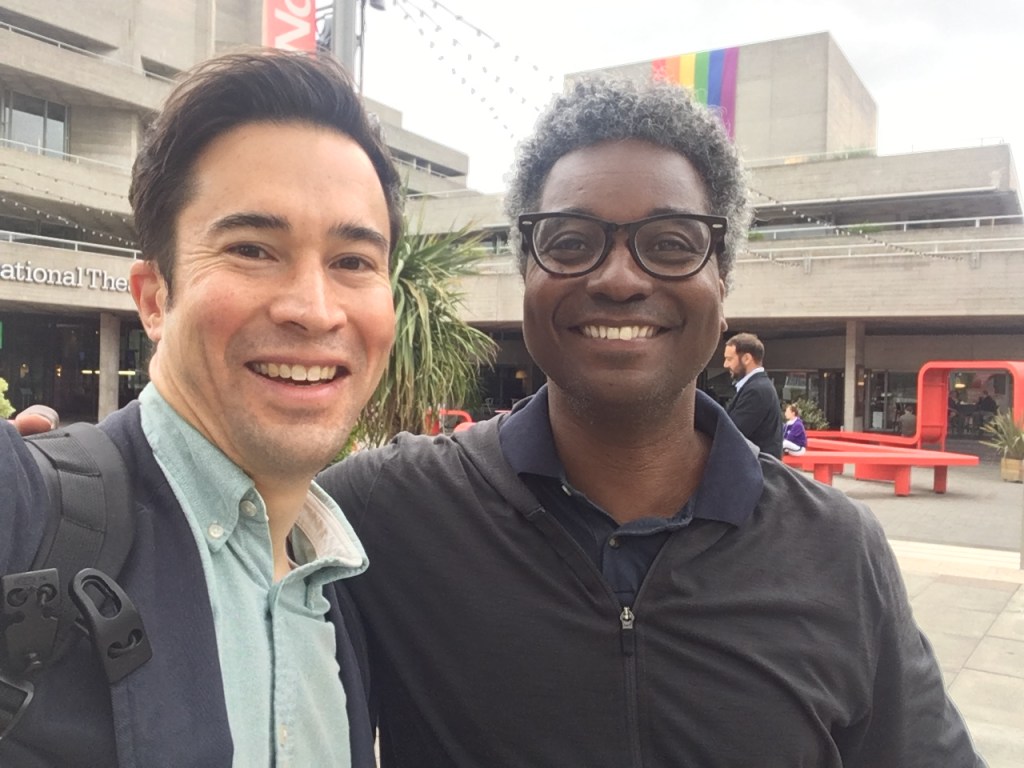
A few months ago, Darnell emailed to say he was coming to London, and might I have time to come down? Getting his family to Edinburgh would be difficult, but I could go down to meet him, so, at the end of June, I got on a commuter train heading south. On the train, I opened my letter folder intending to write a few letters; when I get letters, I generally try to respond to them immediately, but sometimes I just slip them into the folder and respond to them as I can, so I had maybe five letters that had piled up – Alice, Bianca, Step, David, Tom. I found a letter I had started that was meant to go to Benny – I had started it months before, after Alex died. I remembered that month, and the email that Preston had sent about how he often felt like men were bad at friendships. Benny had written me, and I had written him back, and now I was waiting on another letter, but maybe I should continue this one? On seeing the letter, though, and remembering Preston’s email, and thinking that I was going to see Darnell, who I had met all those years ago and who had been my boss and was now someone I had stayed in touch with for two decades, and who wanted to see me when he flew half-way around the world, and seeing the girl across the aisle staring at me holding a sheaf of paper, sorting through unanswered letters, and chewing on a fountain pen, I felt another change. For 34 years, I have been convinced that I was not only bad at friendship but was unworthy of it, and maybe that isn’t true. Maybe I AM worthy of friendship, and maybe I am actually not that bad at it. Maybe everyone loses friends over the years, and it is normal; maybe those stories of friends-since-the-first-day-of-school are so noteworthy because they are so rare. Maybe I have people in my life who I would make costly sacrifices for, and who would make costly sacrifices for me, just because we are something more than casual acquaintances. Because we are friends.
And when I got to London, and saw Darnell, we hugged – one of those hugs that has real love in it. We walked 18.6 miles, and I mostly was looking down, because we talked for hours. And hours. About parenthood, friends, partnership, work, ethics, politics, law, food, growing old. When we hugged goodbye, there was again that love, and an assurance that I trust from both our sides that we would see each other again soon.
Recently, Daniel has decided that he wants to be a firefighter; often, he asks if I would like to be part of his “crew.” Whenever he asks, I always make sure to stroke his hair, tell him I love him, and that I will always be honored to be part of his crew. If Eamonn doesn’t want to be part of that crew, well, he is only five, and is, by definition, not very smart.
Also: Gabe ended up a skinhead, then apparently served jail time for a race-based attack on a convenience store clerk. I don’t know what he is doing or where he is, but if we were to meet today, I don’t think he would be the kind of person I would want to know.
Darnell, though…I am proud to call him my friend, and grateful for his friendship back.
I generally use part of June to read The Sun Also Rises, and, as with every year, I learn something new about the book. This year was no different.
- I am usually drinking a bottle of wine every night by the time they leave Paris – it is impossible to read it and not want to catch up with their parties. Hemingway is good drunk. Reading it sober, I actually ended up reading it far more slowly, and started to understand much more of what was unwritten. Pausing between sentences, I saw the implications of seemingly simple statements or actions, and the motivations of the characters came out in a brand new, relatively clear, light.
- There is a scene where Jake walks out with Brett out of the Pamplona city limits at night. This was a moment that I paused to savor – two people, a relatively rural city, surrounded by darkness and stars and no connectivity. He couldn’t have anticipated how different the world would be a century later. And imagine a photo of the scene! It wouldn’t tell half as much as Hemingway’s sparse paragraph. A picture might be good for a thousand words, but the thousand words are often gibberish – only words are words. Give me words.
- On the last page, I finally saw the love that Brett had for Jake, the caring, and how it was not one-sided – how much she wished things could be different, and how she meant the last words she spoke. Before, I always just assumed she was a narscissist; now, I think of her as tragic.
- And all in all, I realized that when I close the cover, I get the feeling that he describes from bullfighting – the emptiness, the tragedy, the weight, the joy. “We had that disturbed emotional feeling that always comes after a bull-fight, and the feeling of elation that comes after a good bull-fight.” He couldn’t have anticipated thousands of tourists running in the streets taking selfies, but I think he absolutely knew that millions of young men would read his words and yearn for those experiences, just as, in his day, they got their ideas from Mencken.
In June, I also read the Twelve Week Year (OK, some good practical advice) and Trust, by Hernan Diaz. Trust, a story about a tycoon and his wife, told from four perspectives, was excellent, but I don’t think I will read it again. The paperback copy has a gold paint on the cover that wears away from friction, though; I can’t imagine it is accidental.
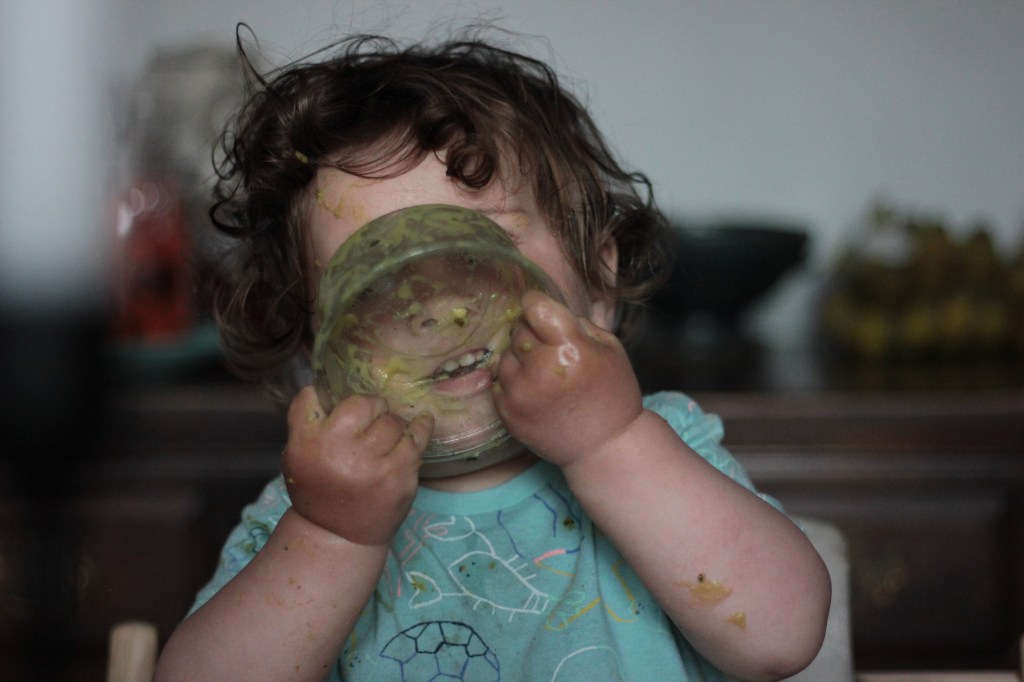
Toward the end of the month, I was asked to make a brief presentation at the Royal Scots Club regarding a committee I am chairing. The meeting was scheduled for right in the middle of bath time and bed time, but Alice said she could manage it herself, and that I should go. When the fateful day came, though, Nick had a weird nap schedule, and then Daniel had a late bath while Nick was going to sleep. In a rush, I made a decision: “Daniel, do you want to come to the meeting with me?” He nodded, and I got him dressed, and we walked down to the club, holding hands.
It was, unsurprisingly, his first committee meeting ever, and, except for him, I think I would have been the youngest member by a longshot. When we arrived, all of the other members made a huge fuss over him. He sat at a chair at the table while everyone made preliminary small talk, and he commented on how big the table was. I gave him a full-sized glass of water, and then realized that they had cookies, so gave him two. There is something wonderful about watching a child eat cookies, totally content, totally self-contained, in the middle of a formal meeting of adults, the crumbs exploding onto his leggings and the table and him not caring whatsoever.
When it came time for my presentation, I started speaking. I explained the purpose of my committee, what we were doing, who we were, and suddenly felt something on my chest.
Daniel, for whatever reason, had reached over and stuck his hand in my breast pocket, searching for something. When I looked at him and took his hand out, he didn’t look guilty – he looked amused, like the board room was just another place for him to be irreverant. I was even more proud of him, even if the other committee members looked horrified. And on the way home, he said, “Daddy, that was a really, really great meeting.” I asked what he liked, and he said, “The big table. And the big screen.”
If he makes it anywhere in a corporate or political life, I want to know that his training all started at the Membership Committee of the Royal Scots Club meeting in June, 2023, and that I was immensely proud to usher him into the sanctum sanctorum at such a young age.

And finally: we are selling our house and moving to a new place. Feel free to buy it from us.
 Andrew Samtoy
You are so discerning about friendship. Now I know from where that comes. Best of all, you’re teaching your sons.
I’m in Lawrence visiting the Watkins clan for the 4th holiday. Andrew and his family are here from Ecuador. Darling girls. We talked about you and your family! I love the Midwest in the summer.
LikeLiked by 1 person